
🎉Upgrade Your Leather Collection for Perfect gifting🎁 — Buy 2, Get 1 FREE!🎉
Which Leather is Best for Bags?
December 23, 2024
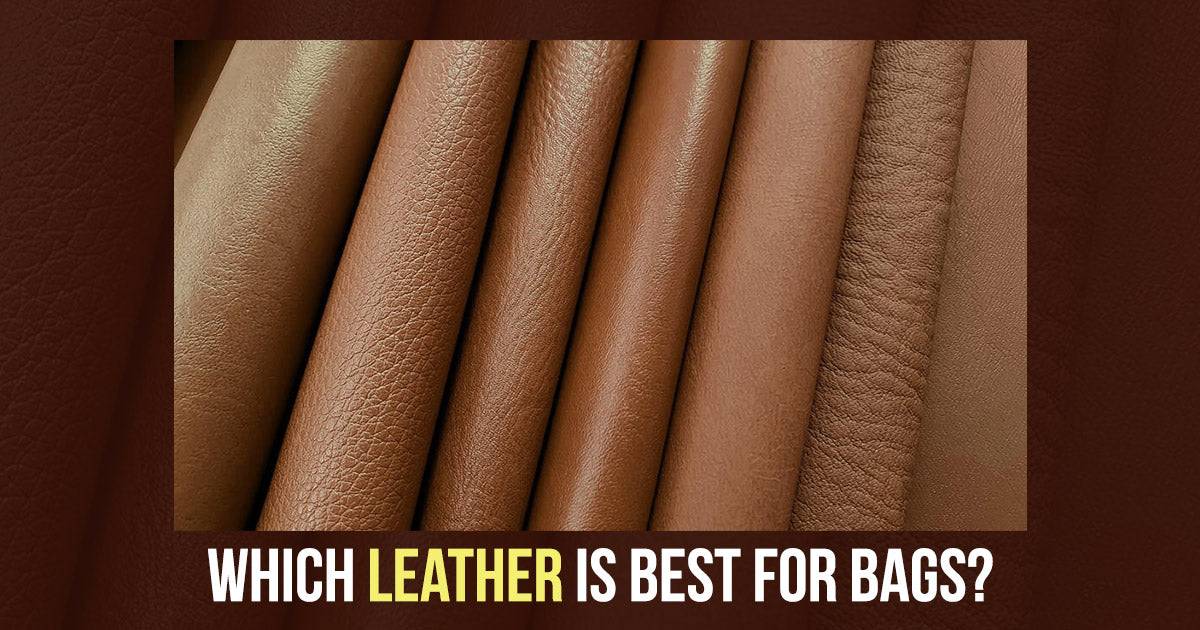
When purchasing a leather bag, it’s essential to consider the type of leather. Popular options include full-grain, top-grain, corrected-grain, and genuine leather. Full-grain leather stands out as the best choice due to its durability, natural aesthetics, and ability to develop a beautiful patina over time.
Why Full-Grain Leather is Ideal for Bags?
Full-grain leather ranks as the highest quality due to its strength and natural characteristics. Found just beneath the animal’s hair, it retains its original grain, making it resistant to wear and tear. Over time, full-grain leather develops a unique patina, enhancing its aesthetic appeal.
The Best Leather for Handbags: Top-Grain Leather
Cowhide leather remains the top choice for handbags. It offers exceptional durability, flexibility, and resistance to environmental factors such as heat and moisture. With proper care, cowhide leather bags can last for decades, making them a worthwhile investment. Many luxury brands prefer cowhide leather due to its sophisticated texture and adaptability to different styles and colors.
Types of Leather Used in Bags
1. Goatskin leather
Pros:
- Affordable
- Lightweight and flexible
- Water-resistant
- Develops a vintage appearance over time
Cons:
- Lasts only 2-4 years depending on usage
- Expands with age
- Has a strong smell if not fully tanned
2. Cowhide leather
Pros:
- Extremely durable and dense
- Flexible and resistant to environmental damage
- Develops a rich patina
Cons:
- Expensive
- Some tanning processes have environmental concerns
3. Camel leather
Pros:
- Robust yet lightweight
- Unique texture and appearance
- Eco-friendly
Cons:
- Strong odor
- Expensive and not widely available
4. Buffalo/Bison Leather
Pros:
- Extremely strong and durable
- Natural, elegant grain pattern
Cons:
- Less flexible compared to cowhide
- Heavier and thicker
- More expensive
Which Leather Grain is Best for Bags?
1. Full-Grain Leather
Pros:
- Strongest and most durable
- Develops a unique patina over time
- Water-resistant and naturally breathable
Cons:
- Expensive
- Can show natural blemishes
2. Top-Grain Leather
Pros:
- More uniform in appearance
- Can be dyed in various colors
Cons:
- Less durable than full-grain
- Does not develop a patina
3. Cross-Grain Leather
Pros:
- Soft and thick
- Durable and aesthetically appealing
Cons:
- Lower quality compared to full-grain
- Difficult to clean
4. Suede leather
Pros:
- Soft, luxurious texture
- Unique napped appearance
Cons:
- Prone to stains and damage
- Absorbs oil and moisture
5. Genuine leather
Pros:
- Affordable
- Easy to maintain
Cons:
- Low quality compared to full-grain and top-grain
- Prone to wear and tear over time
6. Faux leather
Pros:
- Inexpensive and easy to clean
- Available in various colors and patterns
Cons:
- Not as durable as real leather
- Does not develop a patina
- Not environmentally friendly
Conclusion:
For the highest-quality leather bags, full-grain cowhide leather is the best choice due to its durability, rich texture, and ability to develop a beautiful patina over time. While other leathers like goatskin, buffalo, or camel leather offer unique benefits, they often fall short in longevity and resilience. Investing in a well-crafted cowhide leather bag ensures both style and functionality for years to come.
FAQ:
1. What is better, top grain leather or full grain leather?
What you think is “better” between full grain and top grain leather depends on your personal preference because of their similarities. Top grain leather has been stripped of its natural imperfections and is thinner and smoother. The appearance of full grain leather is more natural and it is thicker and rougher.
2. Is top grain leather the same as 100% leather?
Yes, top grain leather is considered “100%” or genuine leather.
3. What are the disadvantages of top grain leather?
It is not going to get a patina. Without proper care, it is more likely to become brittle and crack, which will shorten its life. It lacks the character and uniqueness of full-grain leather, which keeps the narrative of the animal it comes from intact.